Telecom & Compliance
TRAI Compliance & DLT Guide for Voice AI in India
Everything founders and telecom product managers need to know about Telecom Regulatory Authority of India (TRAI) rules, DLT headers, Do Not Disturb (DND) registries, and call recording ethics.
Telecom Regulatory Authority of India (TRAI) Framework
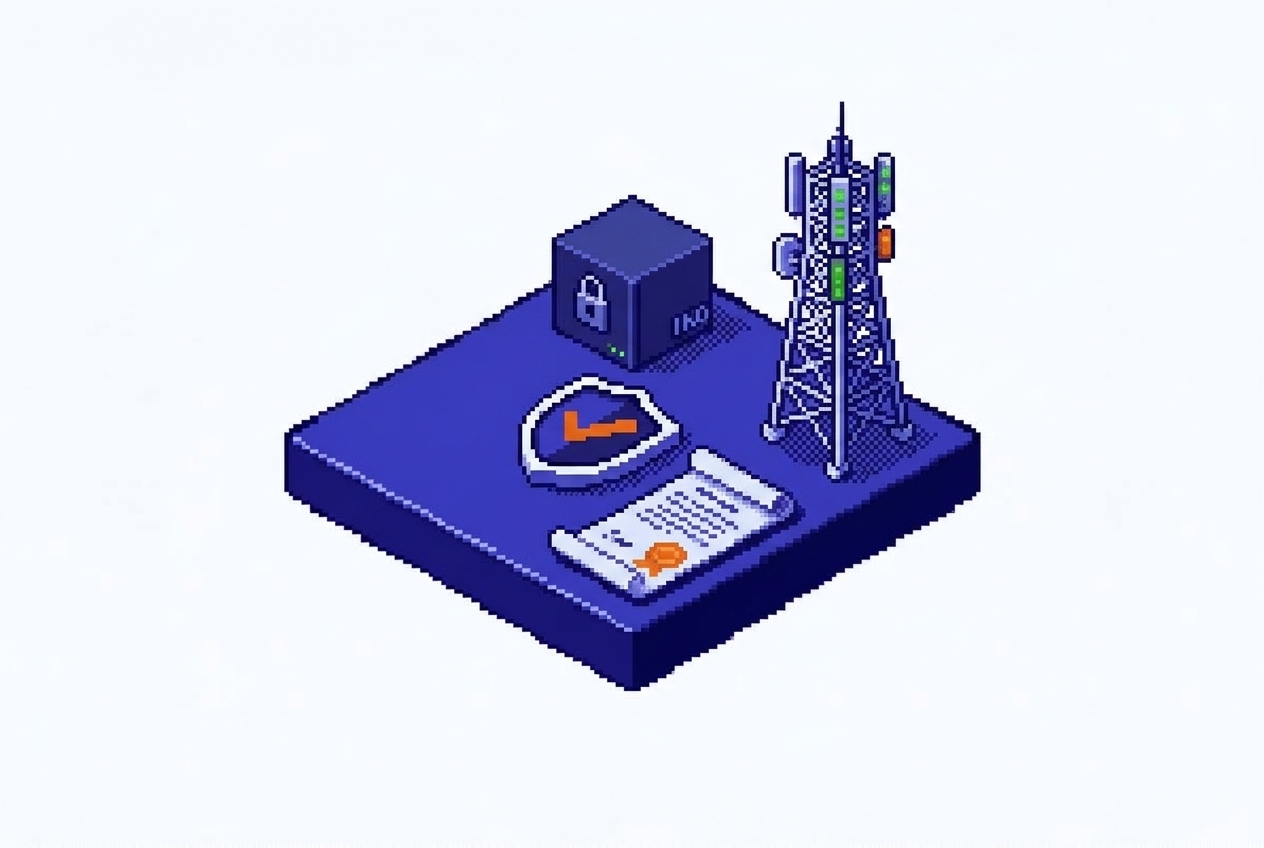
Automated calling in India operates under the Telecom Commercial Communications Customer Preference Regulations (TCCCPR). Any organisation using voice automation for service updates, transaction confirmations, appointment reminders, or debt collections must understand the distinction between transactional, service-implicit, and promotional voice traffic.
Promotional calls are strictly restricted by TRAI to designated time windows (typically 9:00 AM to 9:00 PM) and must respect customer preferences registered in the National Do Not Call (NDNC) / National Customer Preference Register (NCPR) registry.
Service-implicit calls—such as delivery updates, OTP verifications, doctor appointment reminders, and critical banking fraud alerts—are exempt from promotional DND blocks, provided they are made to customers with an active business relationship.
Distributed Ledger Technology (DLT) & Caller Line Identification (CLI)
Under TRAI mandates, Indian telecom operators (Airtel, Jio, Vodafone Idea, BSNL) enforce Distributed Ledger Technology (DLT) registration for enterprise voice headers and outbound calling identity.
Businesses deploying AI agents must register their corporate entity, brand headers, and voice consent templates on an authorised telecom operator's DLT portal. Telephony traffic must present valid Caller Line Identification (CLI) using designated numbering series (such as 140-series for commercial communications or 160-series for government and transactional entities) to avoid carrier call throttling or number flagging as spam.
Call Recording Consent and Indian Data Sovereignty
When an AI agent answers or places a call that involves audio recording, Indian legal best practices and the Digital Personal Data Protection (DPDP) Act require transparent disclosure. Agents should inform the caller early in the conversation that the call is being recorded for quality assurance or service fulfillment.
Furthermore, financial, healthcare, and identity-linked voice conversations must adhere to stringent data sovereignty standards. ring24 stores all call audio, transcripts, and customer metadata exclusively in Indian data centres, ensuring complete jurisdictional compliance and safeguarding against cross-border data transfer liabilities.